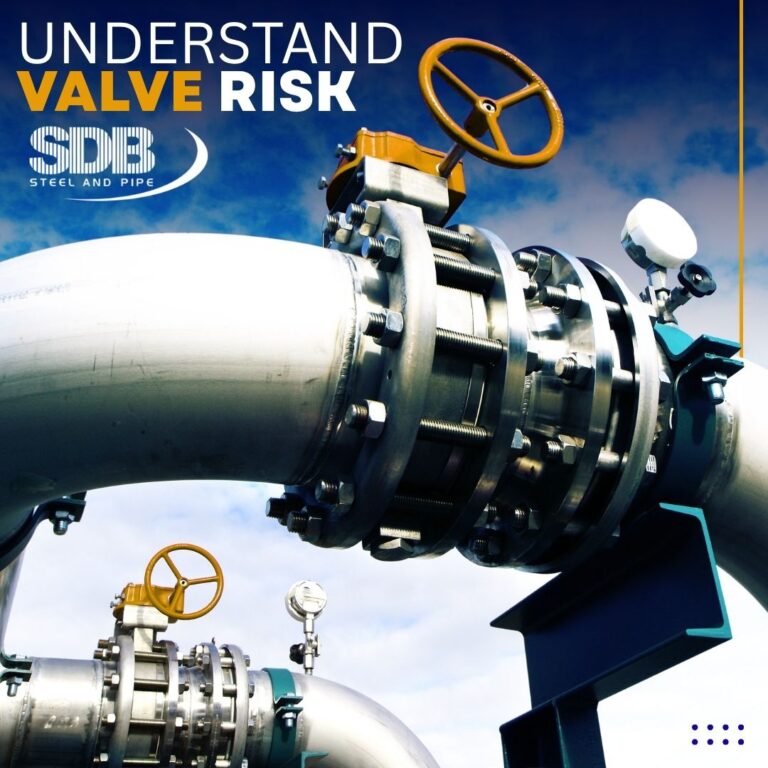
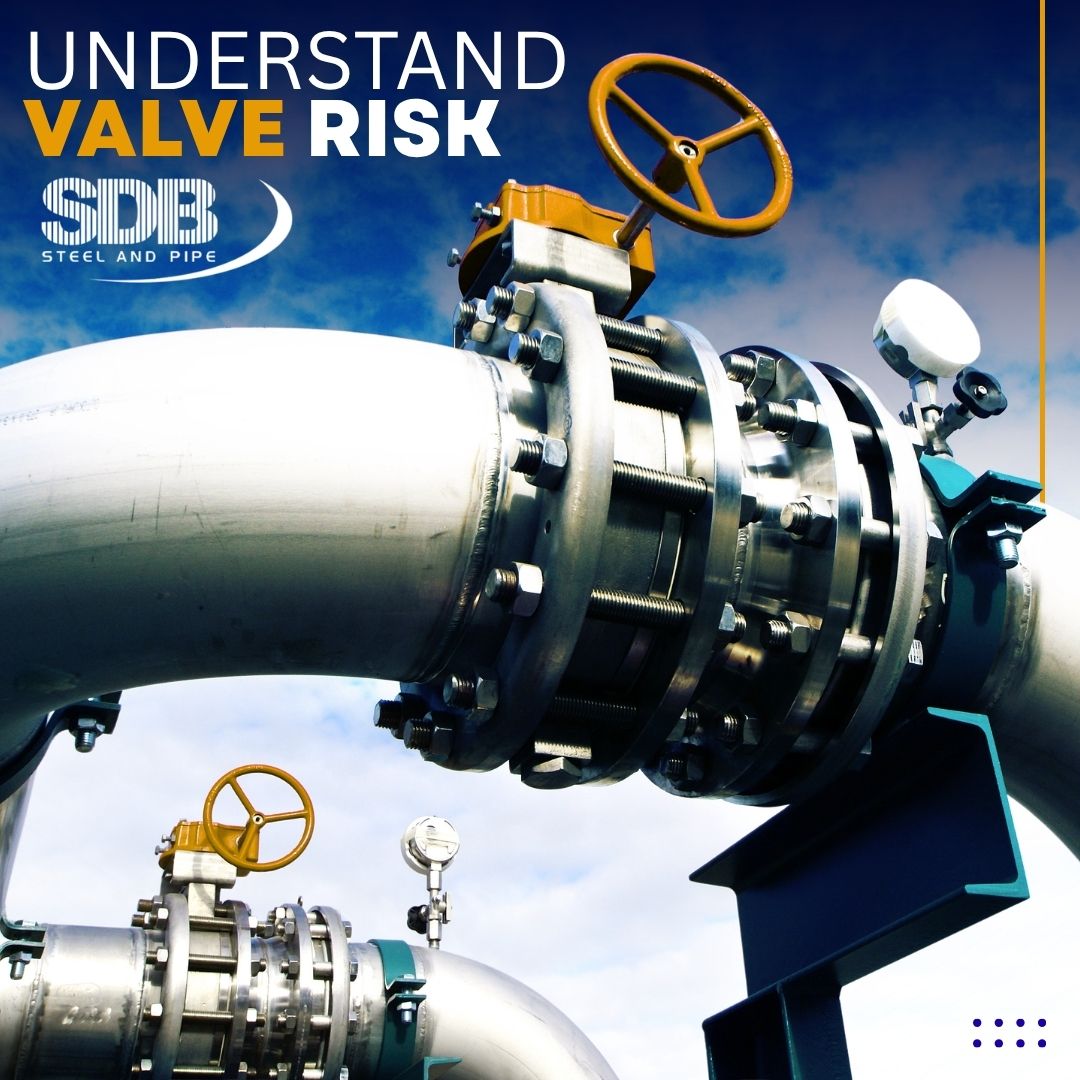
In a high-pressure industrial environment, the margin between controlled operation and catastrophe is razor-thin. It’s maintained by sophisticated control systems, rigorous protocols, and skilled operators. But often, the most critical guardian of safety is also the most overlooked: the simple valve.
Considered by many as a mere “on/off” switch for fluids, the valve is, in reality, a dynamic and highly-engineered safety device. Selecting the wrong one is not a simple procurement error; it’s the act of unknowingly disabling a vital line of defense. A single mismatch in material, design, or function can be the direct cause of a toxic release, a fire, or a catastrophic system failure.
Understanding why valve selection is so fundamental to safety is the first step toward building a truly resilient and secure operation. It goes far beyond the basics of pipe size and pressure ratings.
Beyond the Spec Sheet: 5 Critical Mismatches That Compromise Safety
While pressure, temperature, and media are the starting points for selection, the most dangerous failures often stem from more nuanced factors. Here are five of the most common and critical, valve selection errors that can lead to disaster.
1. The Material Mismatch: An Invisible Corrosion Clock
- The Danger: You select a standard carbon steel valve for a line that occasionally carries a mildly corrosive fluid. For weeks, it has worked perfectly. But invisibly, the corrosive media is eating away at the valve’s internals, the disc, the stem, the seat. One day, under normal operating pressure, the weakened component fails without warning, resulting in a full-bore leak of hazardous material.
- The Safe Solution: This is where expertise in material compatibility is non-negotiable. It’s not just about the primary media, but also trace elements, cleaning agents, and potential atmospheric corrosion. Choosing a valve constructed from the correct alloy (like stainless steel or more exotic alloys for highly aggressive chemicals) isn’t an upgrade; it’s a baseline safety requirement.
2. The Failure Mode Mismatch: When “Off” Isn’t Safe
- The Danger: A cooling water line is essential to prevent a reactor from overheating. The system uses a pneumatically actuated valve that requires air pressure to close. During a plant-wide power outage, the air compressors shut down. The valve, losing its signal, defaults to the “open” position, starving the reactor of coolant when it’s needed most.
- The Safe Solution: Every automated valve has a “fail-safe” position—either “fail-open” or “fail-close.” The correct choice is entirely dependent on the process. A fuel line to a burner must fail-closed to prevent a fire. An emergency cooling system must fail-open to prevent overheating. Choosing the wrong failure mode is like programming a safety device to do the exact opposite of what’s needed in an emergency.
3. The Flow Characteristic Mismatch: Using a Hammer as a Scalpel
- The Danger: A chemical dosing line requires precise, throttled flow. To save costs, a simple gate valve (designed purely for on/off isolation) is used instead of a proper globe or ball valve designed for modulation. The operator can’t achieve stable control. The turbulent, high-velocity flow created by the partially open gate valve rapidly erodes the disc and seat, eventually causing the valve to fail and release an uncontrolled surge of chemicals into the system.
- The Safe Solution: Understand the valve’s job. Is it for pure isolation (gate valve, plug valve)? Or is it for flow control and throttling (globe valve, specific types of ball and butterfly valves)? Using an isolation valve for throttling is a direct path to internal erosion, vibration, and eventual failure.
4. The Fugitive Emissions Mismatch: The Leak You Can’t See
- The Danger: A valve is carrying a volatile organic compound (VOC) that is both toxic and flammable. The stem packing, the seals that prevent the media from leaking out around the valve stem, is not rated for this specific chemical or for low-emission service. Over time, the packing degrades, releasing a slow, invisible, and continuous plume of flammable vapor into the atmosphere, creating a persistent risk of fire or toxic exposure for personnel.
- The Safe Solution: For hazardous or volatile media, specifying a certified low-emission (“Low-E”) valve is critical. These valves feature superior packing and seal designs that are rigorously tested to minimize fugitive emissions, protecting your people and the environment while preventing the slow build-up of a catastrophic hazard.
5. The Pressure Relief Mismatch: The Overlooked Guardian
- The Danger: A pressure vessel is protected by a pressure safety valve (PSV). The PSV was sized correctly for the vessel, but a recent upstream process change means the potential overpressure scenario is now much greater. During an upset condition, the pressure builds faster than the undersized PSV can vent it. The vessel’s pressure rating is exceeded, leading to a catastrophic rupture.
- The Safe Solution: Pressure safety valves are the ultimate mechanical failsafe, and they must be engineered, not just selected. They must be sized based on the worst-case overpressure scenario (the “relieving case”), and their set pressure must be meticulously calibrated. Any change in the system requires a complete review of the PSV’s capacity to ensure it can still provide adequate protection.
Safety Isn’t a Component; It’s a Partnership
The right valve is more than a piece of hardware; it is a critical engineering decision. It requires a deep understanding of the process, the materials, and the potential failure modes.
This is why partnering with a supplier who brings technical expertise to the table is essential. You need a team that doesn’t just read a part number from your request, but asks the right questions. A partner who can guide you through the complexities of material selection and functional requirements to ensure the product you install is the one that will protect your people, your assets, and your operation.
f you’re planning a new project or reviewing an existing system, contact our technical experts to ensure you have the right sentinel standing guard.
About SDB Steel & Pipe
Your Partner for Carbon Steel, OCTG, & PVF Solutions
For over two decades, SDB Steel & Pipe has stood as a premier importer and master distributor of high-performance piping products for the energy, industrial, and commercial sectors. Founded by visionary entrepreneur Dilip Bhargava, SDB has evolved from a trade specialist into an Inc. 5000-recognized leader, honored multiple times as one of America’s Fastest-Growing Private Companies.
We are more than a supplier; we are a strategic supply chain partner. Whether you are drilling upstream, transporting midstream, or building commercial infrastructure, we deliver the inventory, quality, and logistics you need to succeed.
Our Core Capabilities:
- OCTG (Oil Country Tubular Goods): Comprehensive stock of API 5CT Casing and Tubing.
- Line Pipe: High-grade API 5L (Seamless & ERW) for transmission and flowlines.
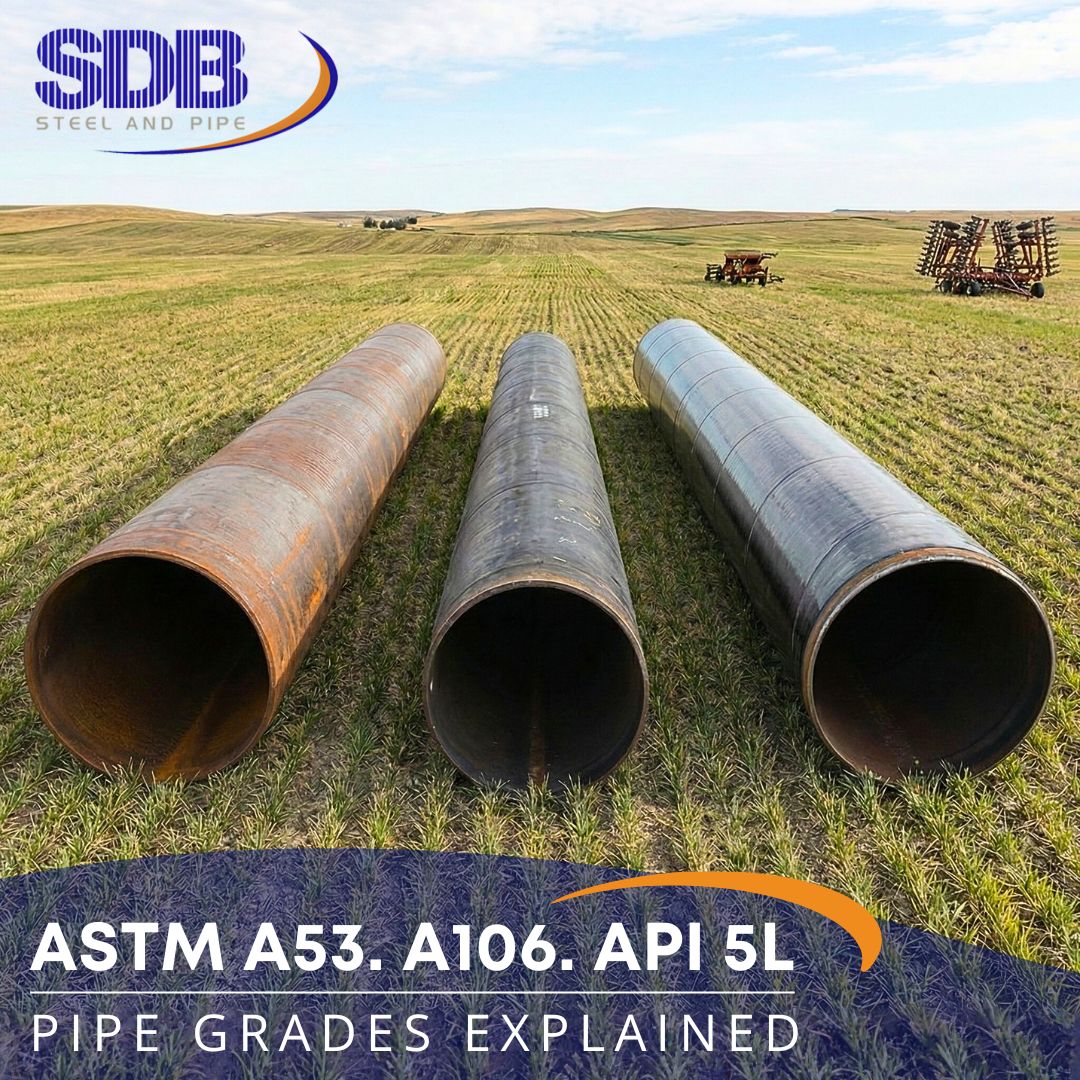
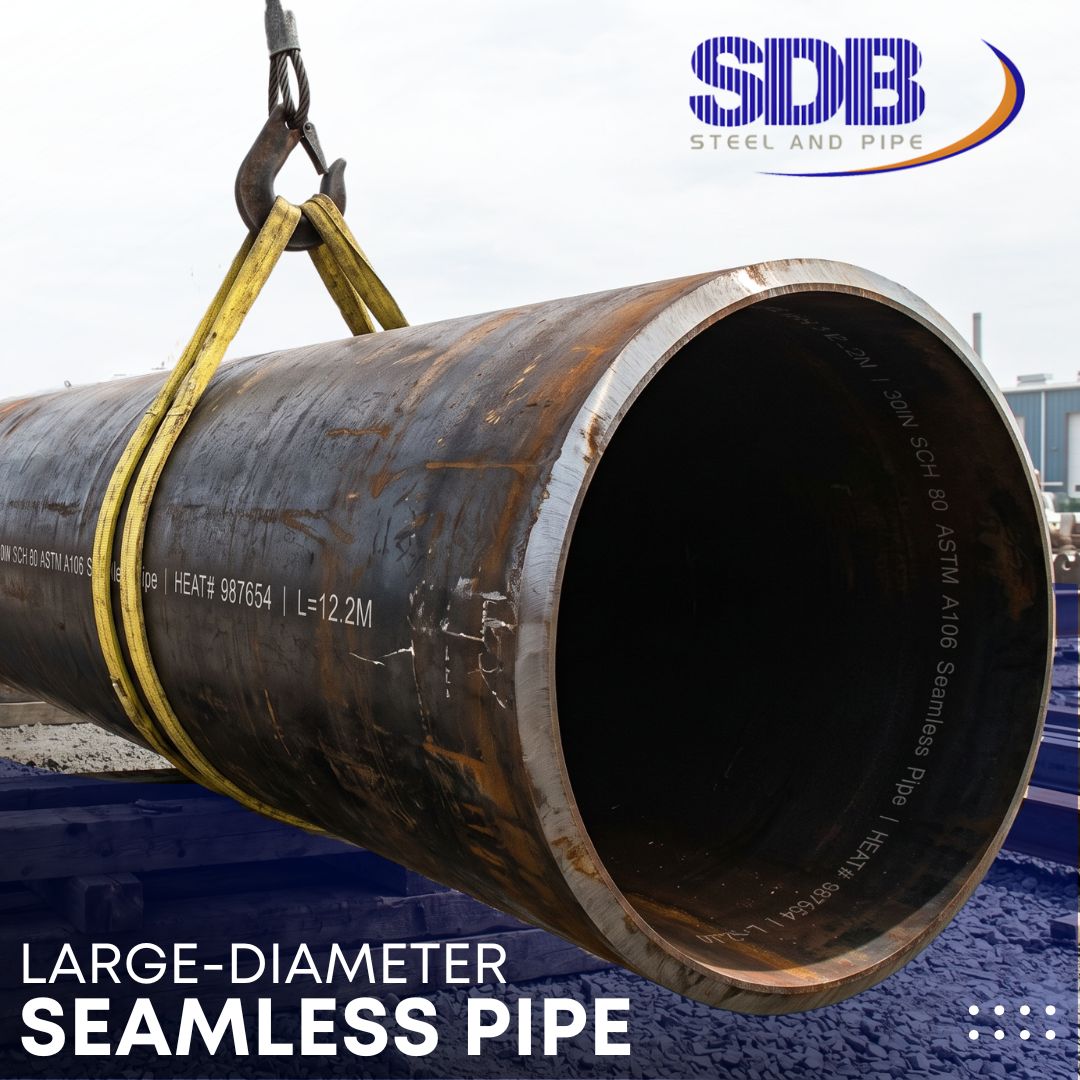
- Commercial & Industrial Pipe: Massive inventory of ASTM A53, A106, and Structural Pipe.
- Technical Services: In-house threading, coating, inspection, and inventory management.
Certifications: We strictly adhere to API, ASTM, and ASME standards to ensure absolute project integrity.